| Muscat, Oman - Jun 09, 2023
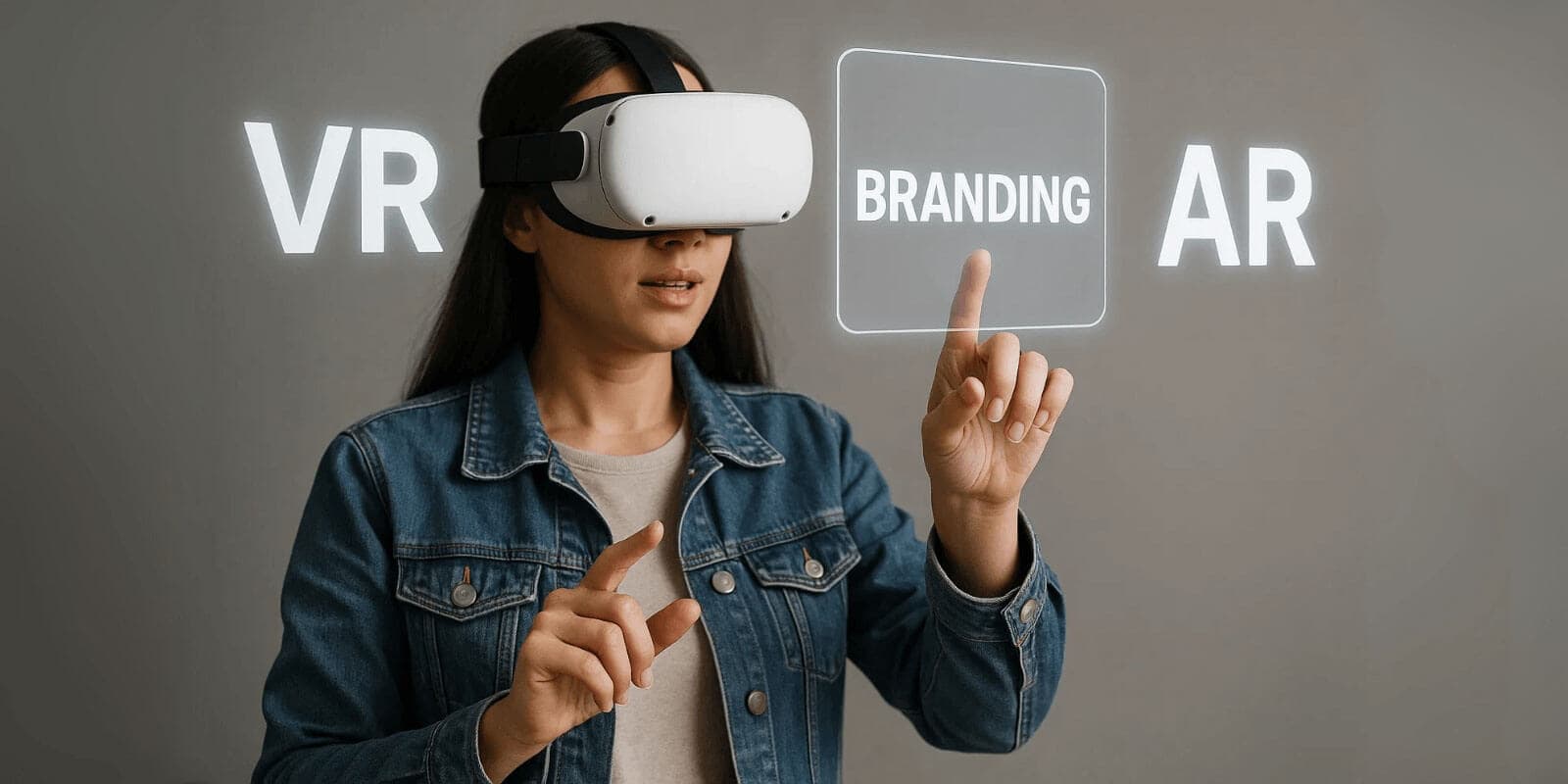
Virtual Reality (VR) and Augmented Reality (AR) in Branding in Oman
Technology is reshaping how brands interact with audiences.
Virtual Reality (VR) and Augmented Reality (AR) are transforming branding from passive communication into immersive interaction. Instead of only seeing a brand message, users can now enter, explore, and interact with brand experiences in more memorable ways.
For businesses operating in Oman, where innovation and differentiation are key, VR and AR offer new ways to engage audiences and strengthen perception. These technologies help brands create deeper emotional connections, more interactive campaigns, and stronger product experiences in Omani market.
This is why companies invest in computer generated imagery strategies that create immersive and interactive brand experiences.
Branding is no longer just seen.
It is experienced.
What VR and AR Mean in Branding
VR and AR are technologies that allow brands to create more interactive digital experiences.
VR, or Virtual Reality, creates fully immersive digital environments. Users can enter a virtual space and experience a brand, product, or story in a simulated world.
AR, or Augmented Reality, enhances the real world with digital overlays. Users can see digital elements added to their physical environment through a phone, tablet, or AR device.
In branding, VR and AR can be used for:
- Product demonstrations
- Immersive brand campaigns
- Interactive experiences
- Virtual showrooms
- Digital product previews
- Event activations
- Educational experiences
- Storytelling campaigns
- Social media filters
- Experiential marketing
Both technologies help brands move beyond static communication.
They create participation.
Why VR and AR Matter
VR and AR matter because audiences increasingly expect more engaging and memorable digital experiences.
Traditional visuals can communicate a message, but immersive experiences allow users to interact with the message. This makes the brand feel more dynamic, modern, and emotionally impactful.
VR and AR help brands:
- Increase engagement
- Create memorable experiences
- Improve product interaction
- Differentiate from competitors
- Enhance storytelling
- Strengthen brand perception
- Encourage user participation
- Support campaign innovation
Across Oman, immersive experiences are becoming more valuable.
Brands that create interactive experiences can stand out more clearly in competitive markets.
VR and AR vs Traditional Branding
VR and AR are interactive.
Traditional branding is often static.
Immersive experiences engage more deeply.
The difference is clear:
- VR and AR invite participation
- Traditional branding usually communicates passively
- VR and AR create memorable experiences
- Traditional branding relies on visuals and messaging
- VR and AR support exploration
- Traditional branding often presents information
- VR and AR strengthen emotional connection
- Traditional branding may be easier to forget
Traditional branding remains important.
However, VR and AR can elevate branding by turning identity, story, and product value into experiences users can interact with.
Why Many Brands Have Not Adopted VR and AR
Many brands have not adopted VR and AR because they see them as complex or expensive.
Some businesses also do not understand how these technologies fit into brand strategy. Without a clear purpose, VR and AR can become a novelty instead of a useful experience.
Common barriers include:
- Perceived complexity
- Cost concerns
- Lack of strategy
- Limited understanding
- Technical limitations
- Unclear campaign goals
- Fear of poor user adoption
- Lack of immersive content planning
These concerns are valid, but they can be managed with the right strategy.
VR and AR should not be used only because they feel innovative.
They should support a clear brand objective.
How to Use VR and AR Effectively
VR and AR work best when they are strategic, user-friendly, and aligned with the brand experience.
Focus on Experience
The experience should be meaningful.
Users should not only be impressed by the technology. They should understand the brand, explore the product, or connect emotionally with the message.
A strong immersive experience should be:
- Clear
- Engaging
- Easy to use
- Relevant to the audience
- Connected to the brand
- Memorable
- Purposeful
The technology should support the message.
It should not distract from it.
Align With Brand Strategy
VR and AR should reflect the brand’s positioning and goals.
A luxury brand may use immersive experiences to create exclusivity and atmosphere. A product brand may use AR to help users visualize items before purchase. A service brand may use VR to explain complex processes more clearly.
The experience should align with:
- Brand identity
- Campaign objectives
- Audience expectations
- Product value
- Brand story
- Visual direction
- Customer journey
Immersive technology becomes more powerful when it supports a strategic direction.
Ensure Usability
An immersive experience must be easy to access and use.
If users struggle to open, navigate, or understand the experience, engagement will drop. Usability is essential for successful VR and AR branding.
Good usability includes:
- Simple access
- Clear instructions
- Smooth navigation
- Fast loading
- Mobile compatibility
- Intuitive interaction
- Stable performance
The experience should feel effortless.
If the technology creates friction, it weakens the brand experience.
Integrate With Campaigns
VR and AR should not exist separately from the marketing strategy.
They should connect with campaigns, social media, websites, events, product launches, or digital ads.
VR and AR can support:
- Launch campaigns
- Brand activations
- Social media engagement
- Website experiences
- Product previews
- Event installations
- Interactive ads
- Experiential storytelling
This aligns with vfx techniques that enhance realism and immersive storytelling in digital experiences.
The best immersive campaigns connect technology with storytelling and measurable goals.
VR and AR in Product Marketing
VR and AR are especially powerful for product marketing.
They allow users to interact with products before buying, visiting, or contacting the brand. This can improve confidence and reduce uncertainty.
Product-focused VR and AR can include:
- Virtual product try-ons
- AR product previews
- 3D product placement
- Interactive product demos
- Virtual showrooms
- Feature exploration
- Product customization
These experiences help users understand products more clearly.
They also make the brand feel more innovative and customer-focused.
VR and AR in Brand Storytelling
Brand storytelling becomes stronger when users can experience the story.
VR can place users inside a branded world. AR can add digital storytelling layers to real environments. Both can turn a message into something users participate in.
Immersive storytelling can help brands communicate:
- Purpose
- Values
- Innovation
- Product benefits
- Brand personality
- Campaign ideas
- Customer journeys
- Emotional narratives
A story that users experience is often more memorable than a story they only read or watch.
VR and AR in Social Media
AR is already widely used across social platforms through filters, effects, try-ons, and interactive experiences.
Brands can use AR to increase engagement and encourage user participation.
Social media AR can include:
- Branded filters
- Interactive effects
- Product try-ons
- Campaign lenses
- Location-based experiences
- Shareable user content
- Gamified interactions
These formats help users become part of the campaign.
This can increase reach, engagement, and shareability.
Strategic Reality Behind VR and AR
Immersion must enhance the message, not replace it.
VR and AR should not be used only to look advanced. The experience must support the brand message, user journey, and campaign objective.
A strong VR or AR strategy should answer:
- What should the user experience?
- What message should the experience communicate?
- How does it support the brand?
- Is the experience easy to use?
- Where will users access it?
- What action should it encourage?
- How will success be measured?
Technology alone does not create impact.
Strategic experience design does.
Real World Application
A business in Oman using VR and AR can create stronger and more memorable brand interactions.
VR and AR can help the business:
- Increase engagement
- Improve brand perception
- Create memorable interactions
- Support product exploration
- Strengthen storytelling
- Differentiate from competitors
- Improve campaign impact
- Encourage user participation
For example, a furniture brand can use AR to let users preview products in their own space. A real estate brand can use VR to offer virtual property tours. A product brand can create an interactive AR launch experience.
These experiences make the brand more useful, engaging, and memorable.
VR, AR, and Growth
Businesses scaling in Oman, including Muscat, Seeb, Salalah, Bawshar and beyond, benefit from immersive branding.
As markets become more competitive, brands need new ways to capture attention and create stronger experiences. VR and AR help businesses communicate with more depth and interaction.
Immersive branding supports growth by helping businesses create:
- Stronger engagement
- Better product understanding
- More memorable campaigns
- Higher differentiation
- Better customer experience
- Stronger brand perception
- More innovative positioning
- Scalable digital experiences
Businesses that adopt immersive technology strategically can build a stronger competitive advantage.
Expert Perspective from The iBoost
At The iBoost, we help brands use immersive technologies in ways that support storytelling, engagement, and brand perception.
We focus on creating experiences that feel innovative but also purposeful, usable, and aligned with the brand strategy.
Through computer generated imagery strategies that create immersive and interactive brand experiences, we help brands innovate across Oman.
VR and AR are transforming branding into immersive experiences.
For businesses in Oman, adopting them strategically can improve engagement, strengthen differentiation, and support long-term growth.
Frequently Asked Questions
VR and AR help brands create immersive and interactive experiences that improve engagement, storytelling, product interaction, and brand perception.
VR creates fully immersive digital environments, while AR adds digital elements to the real world through devices such as phones, tablets, or AR tools.
VR and AR are important because they create memorable experiences, increase engagement, differentiate brands, and help users interact with products or stories more deeply.
A business should use VR or AR when launching campaigns, improving product interaction, creating immersive storytelling, modernizing brand experiences, or differentiating from competitors.
VR and AR support growth by improving engagement, strengthening brand perception, creating memorable experiences, and giving businesses more innovative ways to connect with audiences.