| London, United Kingdom - Dec 10, 2020
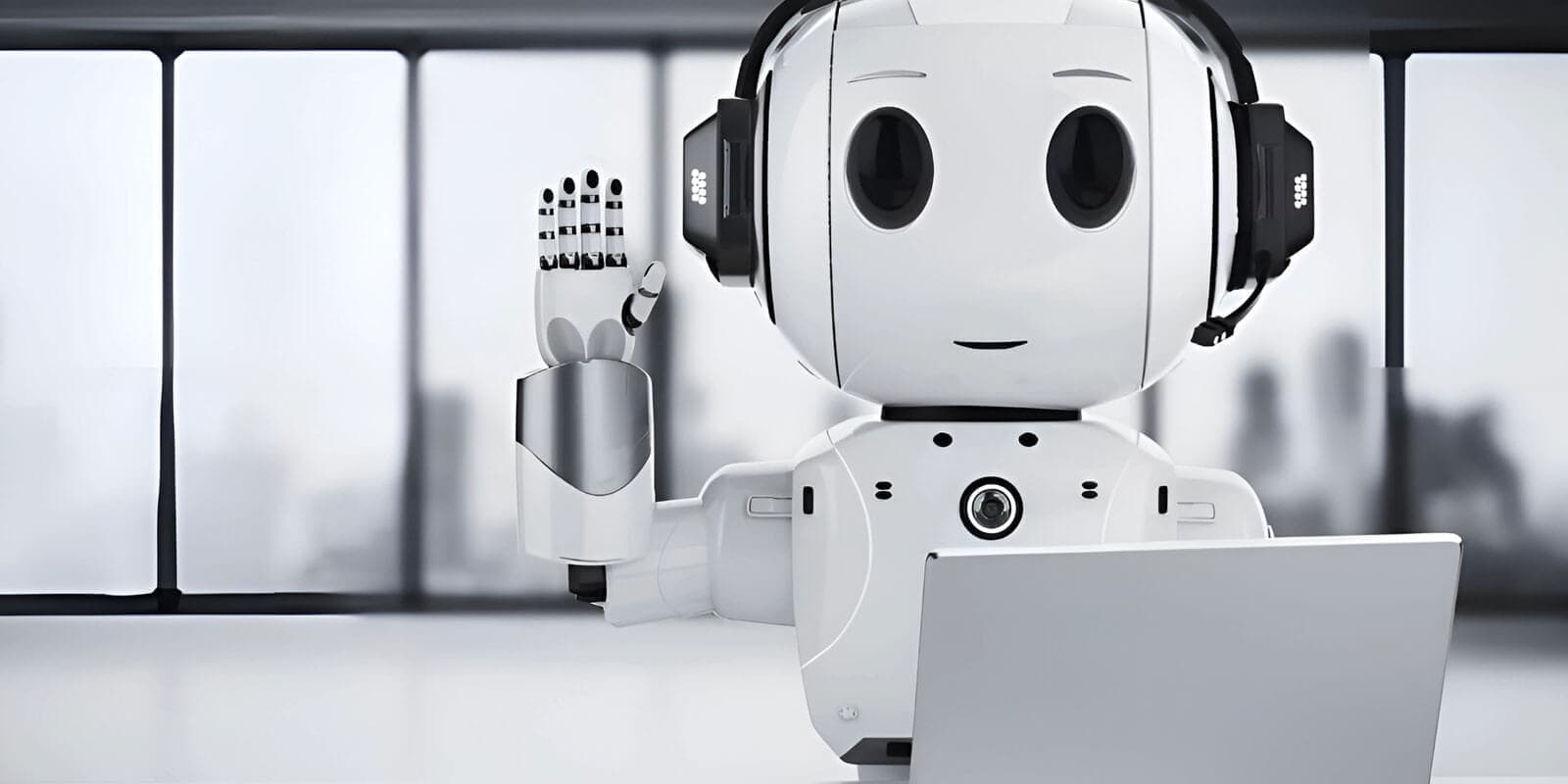
How COVID-19 Accelerated the Use of Chatbots and AI in 2020 in London
The COVID 19 pandemic accelerated digital transformation across industries.
Businesses had to adapt quickly to remote interactions, increased online demand, and evolving customer expectations. Customers were no longer interacting with brands in the same way, and businesses needed faster, more scalable systems to manage communication.
For companies operating in London, automation and AI became essential tools for maintaining communication and service efficiency. In London market, businesses that adopted smarter digital systems were better able to respond to customer needs and maintain engagement during periods of disruption.
This is why organizations invested in digital marketing strategies that integrate automation and AI driven communication systems.
Crisis often accelerates innovation.
What Changed During COVID 19
During COVID 19, businesses faced major changes in how they operated and communicated.
Physical interactions decreased, while online activity increased. Customers expected businesses to respond faster, provide information clearly, and remain accessible through digital channels.
Businesses faced:
- increased online demand
- reduced physical interaction
- higher customer inquiries
- need for faster responses
- remote customer communication
- changing buying behavior
- increased pressure on support teams
- stronger dependency on digital platforms
These changes forced companies to rethink how they managed customer journeys.
Digital communication became essential.
Why Chatbots and AI Became Essential
Chatbots and AI became essential because businesses needed to manage more communication with fewer manual resources.
Customers wanted instant answers, but support teams were often under pressure. AI tools helped businesses respond faster and provide support at scale.
AI and chatbots helped businesses:
- manage high volume communication
- provide instant responses
- reduce operational pressure
- improve customer experience
- answer common questions
- support lead generation
- collect customer information
- guide users through digital journeys
Across London, automation became a necessity rather than an option.
Businesses needed systems that could respond quickly and consistently.
AI and Chatbots vs Traditional Support
AI provides instant responses.
Traditional support depends on availability.
AI scales easily.
Manual systems create delays.
The difference is clear:
- AI can respond immediately
- traditional support may require waiting time
- AI can handle many users at once
- manual support is limited by team capacity
- AI can answer repetitive questions
- traditional support requires human effort each time
- AI supports 24/7 communication
- manual support depends on working hours
Traditional support remains important for complex issues.
However, AI helps businesses handle repetitive communication more efficiently.
Why Many Businesses Adopted AI
Many businesses adopted AI because they needed faster and more scalable communication systems.
The pandemic created pressure on customer service, marketing, sales, and operations. Businesses had to find ways to maintain service quality while managing higher digital demand.
Businesses adopted AI because of:
- increased demand
- limited human resources
- need for efficiency
- digital transformation
- higher customer expectations
- increased online inquiries
- need for faster lead response
- pressure to reduce delays
AI helped businesses stay responsive during a period of uncertainty.
It also created new expectations for digital service.
How AI and Chatbots Improve Marketing
AI and chatbots improve marketing by supporting faster communication, better targeting, and more structured customer journeys.
Faster Response Time
Speed matters in digital marketing.
When users ask questions or show interest, fast responses can improve the chance of conversion.
Chatbots can respond instantly to:
- service inquiries
- product questions
- pricing questions
- booking requests
- lead forms
- FAQs
- support requests
Faster responses help reduce drop-offs and keep users engaged.
Improved Customer Journey
Chatbots can guide users through the customer journey.
They can help users find information, choose services, book appointments, or connect with the right team.
This improves the customer journey by making communication smoother and more direct.
A better journey can lead to better engagement and stronger conversion potential.
Better Data Collection
AI and chatbots can collect useful customer data.
This can include:
- customer questions
- service interests
- lead details
- common pain points
- preferred contact methods
- user behavior
- inquiry volume
This data helps businesses understand their audience and improve future campaigns.
Better data supports better decision making.
Scalable Communication
AI allows businesses to communicate with more users without increasing manual workload.
This is especially useful when lead volume grows or customer inquiries increase.
Scalable communication helps businesses maintain consistency as they grow.
This aligns with search engine marketing strategies that integrate automation for better targeting and performance.
AI and Customer Experience
AI can improve customer experience by making communication easier, faster, and more accessible.
Customers often expect quick answers. If they cannot find what they need, they may leave and choose another business.
AI supports customer experience through:
- instant replies
- guided assistance
- personalized recommendations
- automated follow-ups
- simple navigation
- faster problem solving
- improved availability
The goal is not to remove human support completely.
The goal is to make support more efficient and accessible.
AI and Lead Generation
AI and chatbots can also support lead generation.
When users visit a website or interact with a campaign, chatbots can help capture their interest before they leave.
AI can support lead generation by:
- qualifying leads
- collecting contact details
- asking relevant questions
- recommending services
- sending users to the right page
- triggering follow-ups
- connecting users with sales teams
This helps businesses turn website traffic and campaign activity into real opportunities.
Strategic Reality Behind AI and Chatbots
AI enhances efficiency, but strategy remains essential.
AI tools only work well when they are built around clear goals, useful workflows, and strong messaging. A chatbot with poor answers or confusing flows can hurt the user experience instead of improving it.
A strong AI communication strategy should answer:
- what questions should AI answer?
- when should a human take over?
- what tone should the chatbot use?
- how should leads be collected?
- how will data be used?
- how will performance be measured?
- how will AI support the customer journey?
AI should support the brand experience.
It should not feel disconnected from it.
Real World Application
A business in London using AI can improve how it communicates with customers and manages inquiries.
AI can help the business:
- improve customer support
- increase efficiency
- enhance engagement
- respond faster
- collect better data
- manage more inquiries
- support lead generation
- improve customer journeys
For example, a business can use a chatbot on its website to answer common questions, guide users to services, collect lead information, and notify the sales team when a qualified inquiry comes in.
This creates a smoother communication system.
AI Chatbots and Growth
Businesses scaling in London, including Central London, Canary Wharf, South Bank and beyond, benefit from automation systems.
As businesses grow, communication volume increases. AI and chatbots help manage this growth without overwhelming teams.
AI and chatbots support growth by helping businesses create:
- faster customer communication
- stronger lead management
- better service efficiency
- improved campaign response
- scalable support systems
- better audience insights
- smoother customer journeys
- stronger digital performance
Growth requires systems that can handle demand.
AI helps make that possible.
Expert Perspective from The iBoost
At The iBoost, we help businesses integrate automation and AI driven communication into wider digital marketing strategies.
We focus on building systems that support customer experience, lead generation, targeting, and scalable growth.
Through digital marketing strategies that integrate automation and AI driven communication systems, we help businesses adapt and scale across London.
COVID 19 accelerated the adoption of AI and chatbots, transforming how businesses communicate.
For businesses in London, adopting these technologies strategically can improve efficiency, engagement, and long term performance.
Frequently Asked Questions
COVID 19 increased online demand, reduced physical interactions, and created a need for faster customer communication, making AI and chatbots more important for businesses.
Chatbots help businesses provide instant responses, manage high volumes of inquiries, collect lead information, reduce support pressure, and improve customer experience.
AI and chatbots are useful for instant and scalable responses, while traditional support is still important for complex issues that require human assistance.
AI can improve marketing performance by supporting faster responses, better lead qualification, improved customer journeys, stronger data collection, and scalable communication.
No. AI does not replace strategy. It improves efficiency when it is guided by clear goals, strong workflows, and a well planned customer journey.