| Sydney, Australia
How Retargeting Works and Why It’s Powerful in Sydney
Most users do not convert the first time they interact with a brand.
They visit a website, browse products, compare options, read information, watch content, and leave before making a decision. This does not always mean they are not interested. Often, they simply need more time, more trust, or another reminder.
Retargeting is the strategy that brings them back.
For businesses operating in Sydney, where competition is high and attention is limited, retargeting plays a critical role in improving conversion rates and maximizing marketing performance.
This is why companies invest in digital marketing strategies that improve targeting, engagement, and conversion performance.
Retargeting turns missed opportunities into future conversions.
What Is Retargeting?
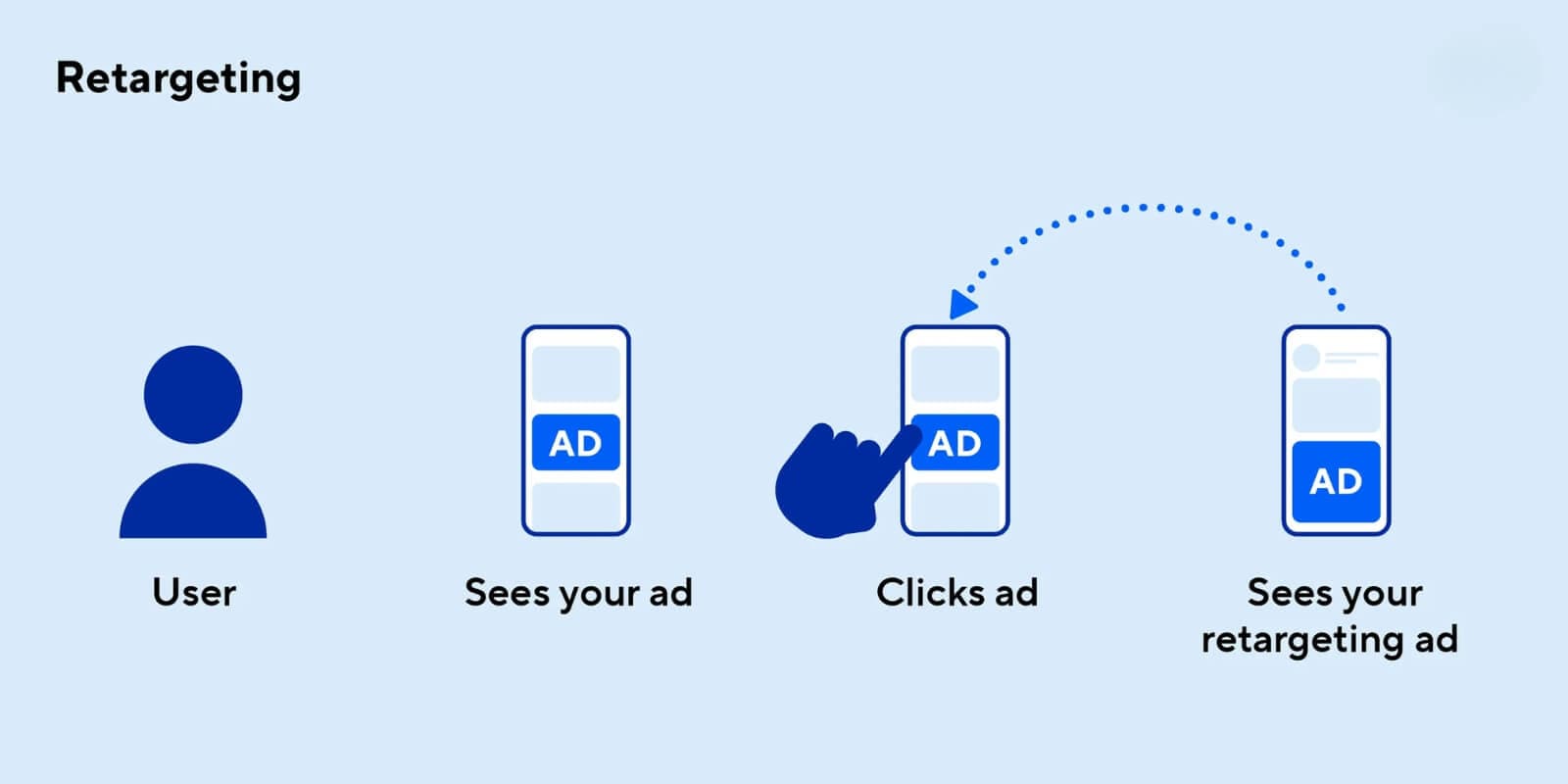
Retargeting is a digital advertising strategy that targets users who have previously interacted with a website, ad, social media page, product, service, or piece of content.
Instead of only targeting new audiences, retargeting focuses on people who already showed interest.
These users may have:
- Visited a website
- Viewed a product
- Added an item to cart
- Watched a video
- Clicked an ad
- Engaged with social media content
- Filled part of a form
- Visited a landing page
- Read a blog post
Retargeting reminds users of the brand and encourages them to return.
It helps continue the conversation after the first interaction.
Why Retargeting Matters
Retargeting matters because most customer journeys are not immediate.
Users rarely see one ad, visit one page, and convert instantly. They need time to evaluate, compare, and build trust.
Retargeting helps businesses stay visible during that decision-making process.
It can help:
- Increase conversion rates
- Improve brand recall
- Reduce customer acquisition cost
- Re-engage potential customers
- Strengthen marketing efficiency
- Recover abandoned carts
- Improve lead generation
- Support campaign ROI
In competitive markets across Sydney, these benefits are essential because users are exposed to many brands and messages every day.
Retargeting helps make sure interested users do not forget the brand.
Retargeting vs Standard Advertising
Standard advertising usually focuses on reaching new audiences.
It helps introduce a brand, product, service, or campaign to people who may not know the business yet.
Retargeting focuses on warm audiences.
These are users who already interacted with the brand in some way.
The difference is clear:
- Retargeting targets warm audiences
- Standard ads target new audiences
- Retargeting improves conversions
- Standard ads improve reach
- Retargeting builds on previous interest
- Standard ads create first awareness
- Retargeting is more conversion focused
- Standard advertising is often more discovery focused
Both are important.
Standard advertising brings people into the funnel. Retargeting helps bring them back and move them closer to action.
Why Most Businesses Need Retargeting
Most businesses need retargeting because users do not always decide immediately.
A user may be interested but not ready. They may leave because they are comparing prices, waiting for approval, distracted, unsure, or simply not ready to commit.
Most users:
- Do not convert immediately
- Need multiple touchpoints
- Compare alternatives
- Delay decisions
- Forget the brand after leaving
- Need trust before taking action
- Respond better after repeated exposure
Retargeting helps capture these lost opportunities in Sydney by reconnecting with people who already showed intent.
Without retargeting, many interested users disappear from the journey.
How Retargeting Works
Retargeting works by identifying users who previously interacted with a brand and showing them relevant ads later.
The goal is to bring them back with a message that matches their previous behavior.
Tracking User Behavior
Retargeting often uses tracking tools such as pixels, cookies, platform data, or audience lists to understand user behavior.
This allows businesses to know when someone visited a page, clicked an ad, viewed a product, or engaged with content.
Tracking helps create audiences based on real actions.
Segmenting Audiences
Not all users should receive the same retargeting message.
A person who visited a homepage is different from someone who added a product to cart. A user who watched a video is different from someone who submitted half of a form.
Audience segmentation may include:
- Website visitors
- Product viewers
- Cart abandoners
- Past customers
- Video viewers
- Social media engagers
- Landing page visitors
- Blog readers
- Lead form visitors
Segmentation makes retargeting more relevant.
Delivering Relevant Ads
Retargeting ads should match the user’s previous action.
For example, someone who viewed a service page may receive an ad explaining the value of that service. Someone who abandoned a cart may receive a reminder. Someone who watched a video may receive a follow-up message.
Relevant ads perform better because they feel connected to the user’s journey.
This connects with facebook advertising management strategies that improve targeting and campaign performance.
How Retargeting Improves Conversion Rates
Retargeting improves conversion rates by focusing on users who are already familiar with the brand.
These users are often more likely to convert than completely cold audiences because they have already shown some level of interest.
Retargeting improves conversions by:
- Reminding users of the brand
- Reducing hesitation
- Reinforcing benefits
- Building familiarity
- Showing relevant offers
- Addressing objections
- Bringing users back to key pages
- Encouraging action at the right time
The goal is not to pressure users.
The goal is to guide them back with the right message.
Retargeting and Brand Recall
People forget quickly online.
A user may visit a website and then become distracted by another task, another platform, or another brand. Retargeting helps keep the business visible after that first interaction.
Repeated visibility improves brand recall.
When users see the brand again in a relevant context, they are more likely to remember it when they are ready to decide.
For businesses in Sydney, this can be especially important in crowded industries where many brands compete for the same audience.
Retargeting helps the brand stay present.
Retargeting for E-commerce
Retargeting is especially powerful for e-commerce.
Many shoppers browse products, add items to cart, and leave before completing a purchase. This is common. Retargeting helps bring those users back by reminding them of the product they viewed or the cart they abandoned.
E-commerce retargeting can be used for:
- Product reminders
- Abandoned cart campaigns
- Cross-selling
- Upselling
- New collection promotions
- Limited-time offers
- Past customer campaigns
- Product category retargeting
When done properly, retargeting helps reduce wasted traffic and improve sales performance.
Retargeting for Lead Generation
Retargeting also works for service businesses and lead generation campaigns.
A user may visit a service page, read about the company, or click an ad without submitting a form. Retargeting can bring that user back with stronger messaging, case studies, offers, testimonials, or a clearer call to action.
Lead generation retargeting can support:
- Consultation bookings
- Contact form submissions
- Quote requests
- Service inquiries
- Webinar registrations
- Download campaigns
- Demo requests
This is especially useful for businesses where customers need more time before making a decision.
When Businesses Should Use Retargeting
Businesses should use retargeting when they already have some audience activity but need stronger conversion performance.
Retargeting is useful when:
- Website traffic is high but conversions are low
- Awareness is strong but results are weak
- Competition is high in Sydney
- Users abandon carts
- Lead generation campaigns need improvement
- Paid ads bring traffic but not enough action
- Users visit service pages but do not inquire
- Social media engagement is high but conversion is low
Retargeting works best when it is part of a larger digital marketing strategy.
It should not replace awareness campaigns. It should support them.
Strategic Reality Behind Retargeting
Retargeting is not about repetition.
It is about relevance.
Showing the same ad too many times can annoy users. Showing the right message at the right moment can improve results.
Strong retargeting should be:
- Timely
- Relevant
- Segmented
- Clear
- Connected to user behavior
- Aligned with campaign goals
- Supported by strong creative
- Measured and optimized
The message should match the user’s stage in the journey.
A homepage visitor may need education. A cart abandoner may need reassurance. A past customer may need a new offer.
Relevance is what makes retargeting effective.
Common Retargeting Mistakes
Many businesses use retargeting incorrectly.
They show the same message to every user, repeat ads too often, or fail to segment audiences properly. This can reduce performance and weaken user experience.
Common mistakes include:
- Using one audience for everyone
- Showing the same ad repeatedly
- Ignoring user behavior
- Weak creative
- No clear call to action
- Poor landing page experience
- Retargeting users who already converted
- Not setting frequency limits
- Not testing different messages
- Not measuring conversion quality
Retargeting needs strategy and control.
Without structure, it can waste budget.
Real World Application
A business in Sydney using retargeting can turn missed opportunities into stronger performance.
For example, a user may visit a service page and leave. A retargeting campaign can later show them a relevant ad explaining the service benefits, showing a client result, or inviting them to book a consultation.
A business using retargeting can:
- Re-engage users
- Increase conversions
- Improve ROI
- Reduce wasted traffic
- Strengthen brand recall
- Improve campaign efficiency
- Bring users back into the funnel
Retargeting helps businesses make better use of the traffic they already have.
Retargeting and Growth
Businesses expanding in Sydney, including Central Business District, North Sydney, Parramatta, Chatswood and beyond, benefit from improved efficiency and higher conversion rates.
As businesses grow, they often invest more in traffic, awareness, campaigns, and content. Retargeting helps make those investments more effective by reconnecting with users who already showed interest.
Retargeting supports growth by helping businesses:
- Improve conversion rates
- Lower acquisition costs
- Strengthen campaign performance
- Build stronger audience recall
- Improve customer journey continuity
- Increase sales or leads
- Maximize marketing return
A strong retargeting strategy helps businesses grow with less wasted opportunity.
Expert Perspective from The iBoost
At The iBoost, we design retargeting strategies that align with user behavior, campaign objectives, audience segments, and conversion goals.
We focus on showing the right message to the right audience at the right stage of the journey. This helps businesses reconnect with interested users and move them closer to action.
Through digital marketing strategies that improve targeting, engagement, and conversion performance, we help businesses maximize marketing impact across Sydney.
Retargeting is one of the most powerful tools in digital marketing.
For businesses in Sydney, it helps reconnect with interested users, improve conversions, and achieve stronger growth from existing traffic and campaigns.
Frequently Asked Questions
Retargeting is a digital advertising strategy that targets users who previously interacted with a website, ad, product, service, or content and encourages them to return.
Retargeting is important because most users do not convert on their first interaction. It helps re-engage interested users, improve brand recall, and increase conversion rates.
Retargeting improves conversions by showing relevant ads to warm audiences who have already shown interest, helping bring them back to complete an action.
Standard advertising often targets new audiences for awareness, while retargeting focuses on users who already interacted with the brand and is more conversion focused.
A business should use retargeting when it has website traffic, social engagement, abandoned carts, or lead generation activity but needs stronger conversion performance.